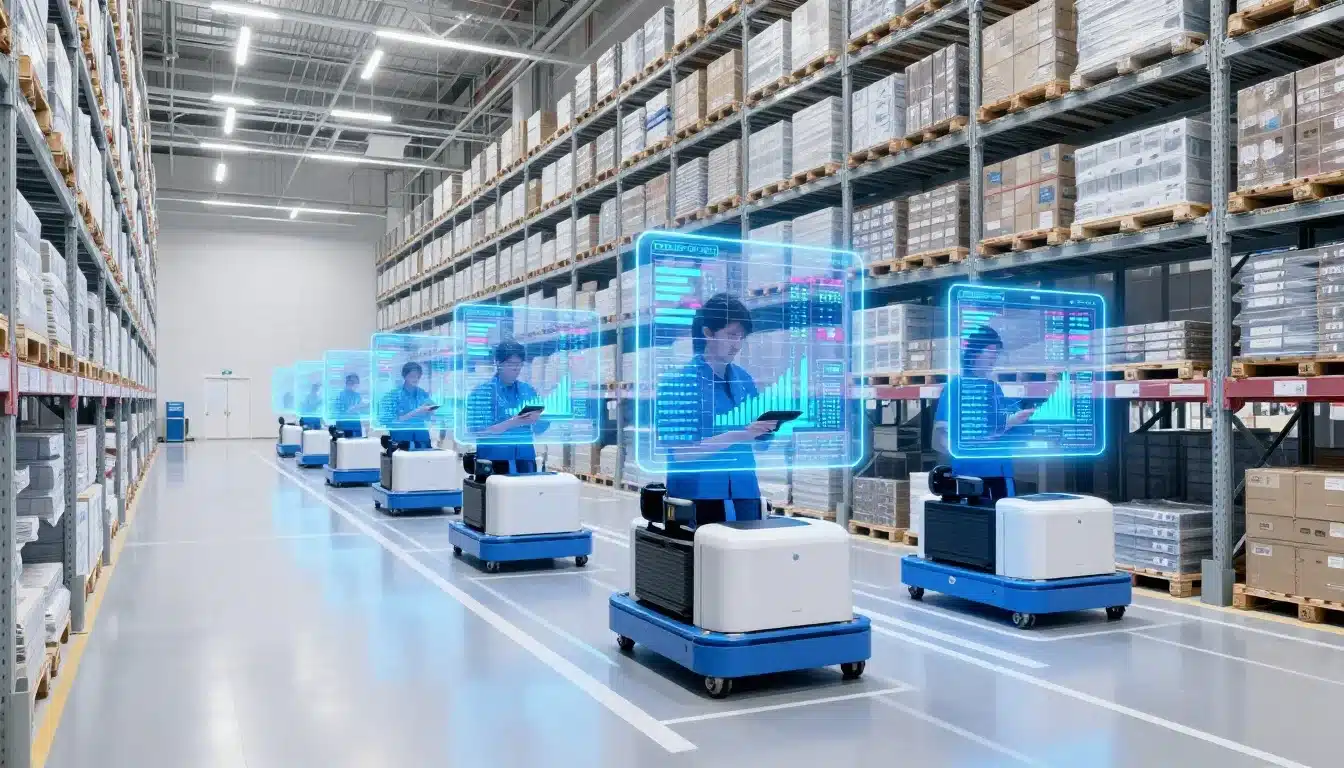

It happens all the time in busy warehouses. A picker heads to a bin that looked full an hour ago, shipping commits an order that’s already short, and a supervisor shifts labor based on an old spreadsheet. By the time the team spots the problem, time and money are already gone.
That’s where warehouse software changes the pace. Instead of working from stale reports or guesswork, teams can act on live updates from receiving, picking, replenishment, and shipping. When stock moves, the system reflects it right away, which gives managers a clearer view of what’s happening now, not what happened earlier.
As a result, decisions get faster and more accurate. Teams can reduce stock errors, adjust labor sooner, avoid shipping delays, and respond to issues before they spread across the floor. Better choices don’t just help operations, they also affect cost, service levels, labor use, and customer satisfaction.
This article looks at how warehouse software improves real-time decision making through speed, accuracy, visibility, and control. If you want a closer look at how real-time data in WMS supports those decisions, it helps show why live information matters so much on the warehouse floor.
Warehouse software turns scattered data into live operational visibility
Real-time decision making starts with seeing what is happening now, not what happened two hours ago. In many warehouses, the real problem is not a lack of data. It is that the data lives in too many places, updates too late, or depends on someone remembering to type it in.
Warehouse software fixes that by pulling inventory, orders, labor, and movement into one live view. Systems built for warehouse management replace delayed manual updates with tracking that follows the work as it happens. As a result, managers stop reacting to yesterday’s picture and start making calls based on the floor in front of them.
Teams can see inventory movement as it happens
When a pallet is received, put away, picked, packed, or shipped, the system updates right then. That matters because each touch changes what is truly available. If those changes wait for paper forms or end-of-shift entry, the next decision is already at risk.
Live stock updates help every team work from the same version of the truth. Receiving can confirm what arrived, putaway can show where it landed, and picking can see what is still on hand before a task even starts. By the time shipping closes an order, the count has already moved with it.
That simple shift cuts a common warehouse problem, stale counts. Without live updates, you might release orders against stock that is already gone, or delay replenishment for items that are running low. In other words, warehouse software turns movement into visibility, not guesswork.
A single dashboard makes problems easier to spot fast
When data sits in separate tools, small issues stay hidden too long. A manager may not notice a picking backlog until orders miss cutoff. A stockout may not show up until customer service asks why an order is stuck.
A centralized dashboard changes that. Instead of piecing together reports, managers can spot problems in one place, including:
- Backlogs building in receiving, picking, or packing
- Stockouts that threaten open orders
- Bottlenecks in busy zones or workstations
- Delayed orders that need attention before they snowball
- Space issues caused by poor putaway flow or full staging areas
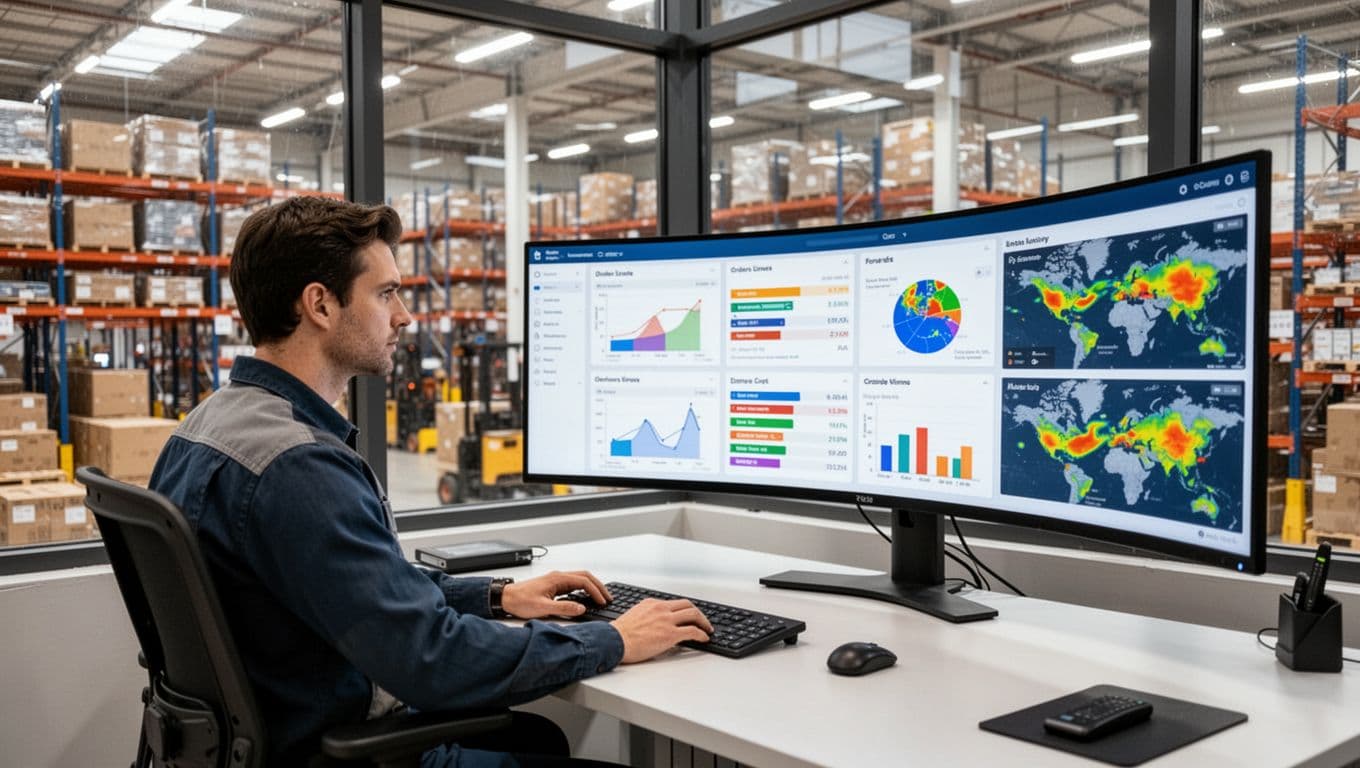
With one screen showing live conditions, patterns stand out faster. A dashboard is a bit like the windshield of the operation. If you can see clearly, you can steer early instead of slamming the brakes late.
Barcode scanning improves accuracy at the point of work
The best visibility still depends on good inputs. That is why barcode scanning matters so much. Each scan confirms the action in the moment, at the shelf, at the dock, or at the pack station.
Instead of trusting memory or handwritten notes, the system records proof that the right item moved, in the right quantity, at the right step. That improves trust in the data because updates come from the work itself, not from later cleanup. It also supports faster decisions, since managers do not need extra checks before acting on what they see. If you want to see how this reduces small mistakes before they spread, this look at how a WMS reduces warehouse errors adds useful detail.
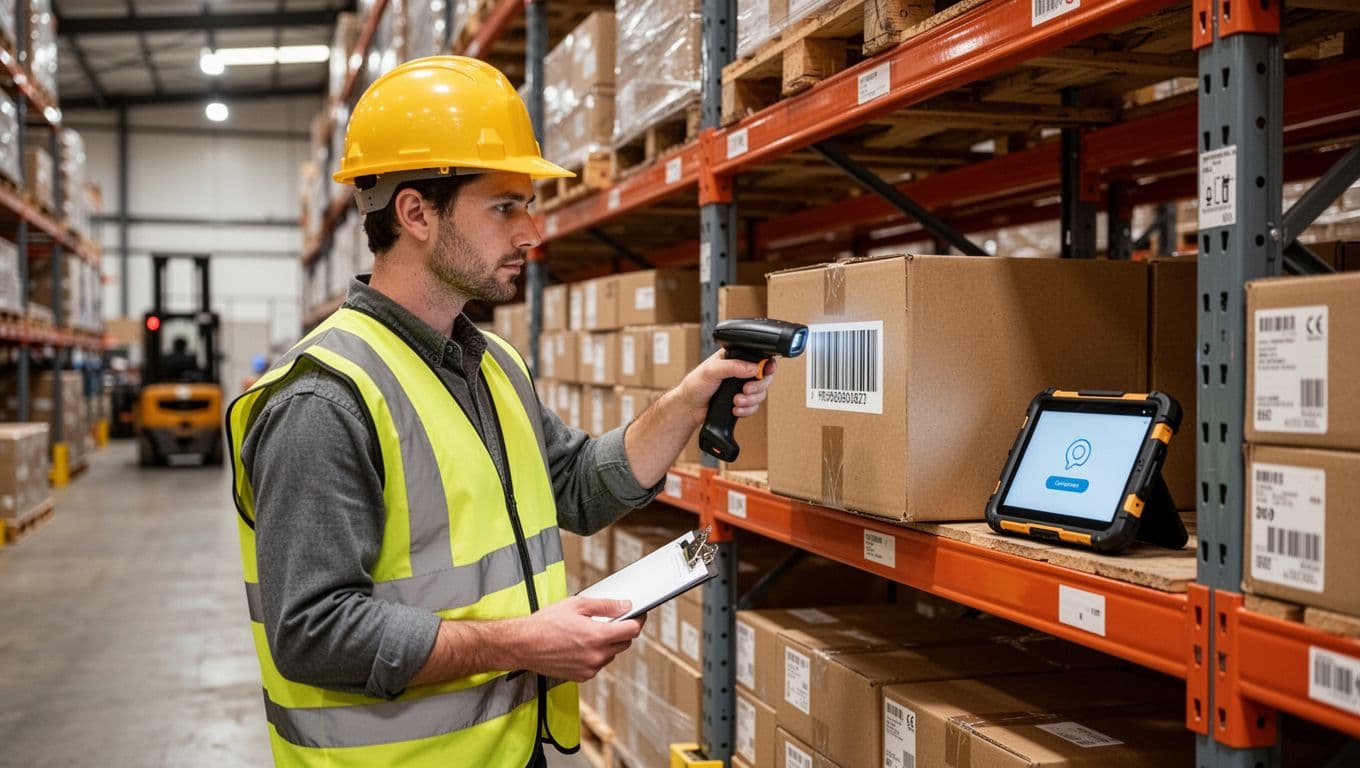
That speed is the real win. When scans confirm work as it happens, your team can move faster with confidence, not caution.
Faster, better decisions happen at every step of the workflow
Live visibility matters, but it only pays off when it leads to action. Good warehouse software does more than show status updates on a screen. It tells teams what to do next, where to move, and which task matters most right now.
That shift changes the whole workflow. Instead of stopping to compare notes, check spreadsheets, or wait for a supervisor, workers can follow system-driven decisions that fit the current state of the floor. The result is simple: fewer delays, fewer wrong turns, and better choices from receiving to shipping.
Receiving teams can assign stock to the right location right away
When inbound stock hits the dock, time matters. If workers have to guess where each pallet should go, putaway slows down and inventory becomes harder to find later. Real-time rules remove that pause.
The system can suggest the best location based on factors like open space, pick demand, product type, or lot and expiration details. So instead of making a slow manual call, the receiver scans the item and follows the next best move.
For example, a fast-moving SKU can go straight to a forward pick area, while reserve stock goes to bulk storage. A lot-controlled item can be routed to the right zone without extra back-and-forth. That kind of logic keeps storage organized from the start, which makes the rest of the day easier.
Picking priorities can change when urgent orders come in
Picking plans should not stay frozen when order urgency changes. If a same-day order drops in or a carrier cutoff moves closer, the warehouse needs to adjust fast, not after the current batch finishes.
Warehouse software helps by re-sorting work in real time. It can bump urgent orders to the top, rebuild wave picks, or shift labor to the zones under the most pressure. In other words, the system acts like an air traffic controller, helping every task land in the right sequence.
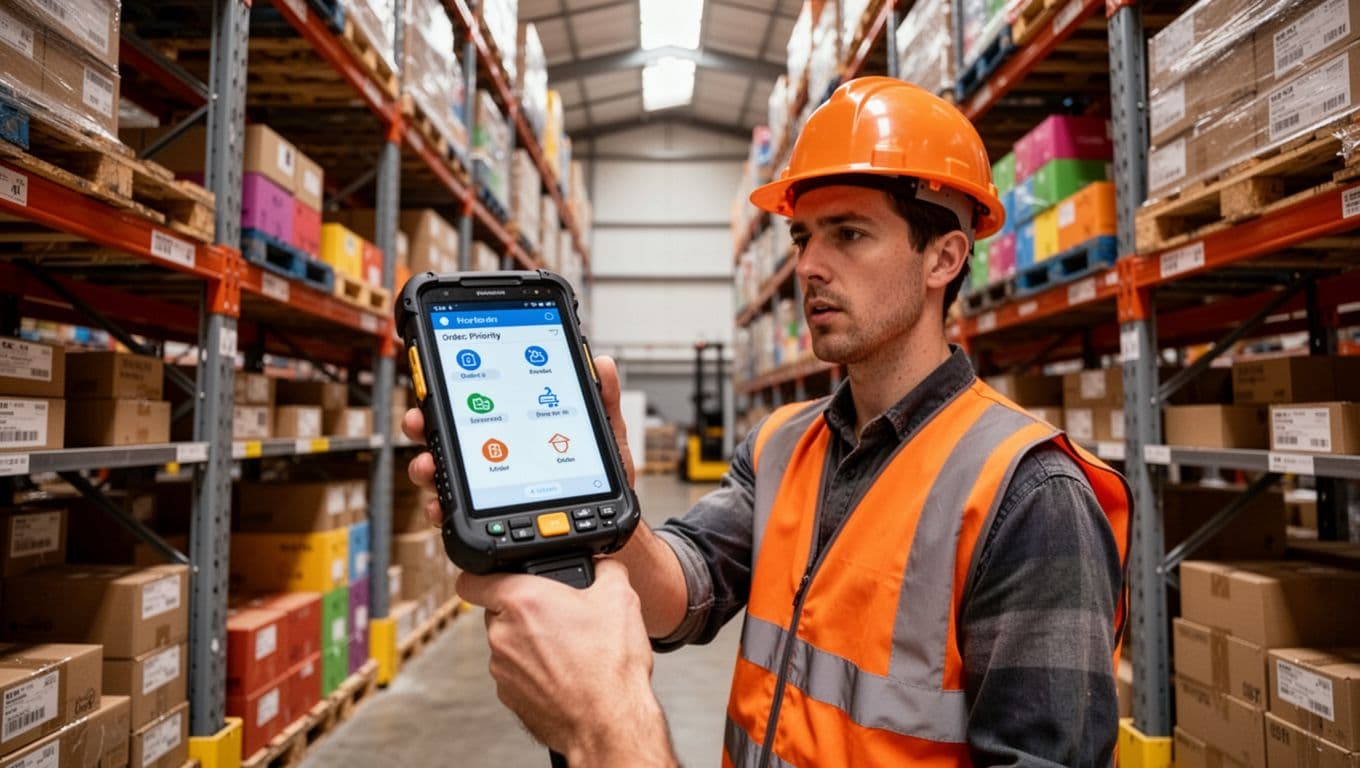
That matters most during busy shifts. Rather than asking supervisors to reshuffle work by hand, pickers see updated priorities on their devices and keep moving. For high-volume operations, this kind of control is a big part of strong real-time WMS capabilities.
Replenishment decisions become proactive instead of reactive
One empty pick bin can slow down far more than one order. It creates a ripple effect, pickers stop, search, wait, and then miss pace across the shift. Real-time software helps stop that chain reaction early.
When pick-face stock drops below a set level, the system can trigger replenishment before the location runs dry. That gives the team time to refill the slot while picks continue, instead of after a shortage causes downtime.

This is where smart rules beat gut feel. Teams no longer wait for someone to notice a problem. They act earlier, which reduces picker idle time and helps protect outbound volume. If you want a deeper look at the logic behind those triggers, these inventory replenishment strategies add useful context.
Shipping teams can prevent delays before they affect customers
Shipping is the last checkpoint, which means small misses hurt the most here. A missing item, a packing mismatch, or a late carrier handoff can turn a good day into an avoidable service issue.
Live status updates help teams catch those problems while there is still time to fix them. If an order is stuck in packing, short at verification, or at risk of missing cutoff, the system can flag it before it leaves the dock.
That gives shipping teams a short but important window to act. They can hold a carton, pull a missing unit, reassign labor, or push a priority order forward before the customer ever feels the delay. In a busy warehouse, that kind of early warning is the difference between staying in control and playing catch-up.
Real-time warehouse software helps managers use labor, space, and inventory more wisely
Real-time warehouse software does more than speed up tasks. It gives managers a live map of pressure points, empty capacity, and stock movement, so decisions get sharper across the whole operation. When you can see labor demand, slot usage, and inventory position as they change, you stop managing by instinct and start managing by facts.
That matters most when volume shifts during the day. A strong WMS, paired with accurate inventory management software, helps teams make better calls on staffing, replenishment, and fulfillment across one site or many.
Labor can be shifted to the areas that need help most
A warehouse rarely gets busy in every area at the same time. Receiving may spike after inbound trucks arrive, while packing gets buried before carrier cutoff. With live workload data, managers can spot that imbalance early and move people where the queue is forming.
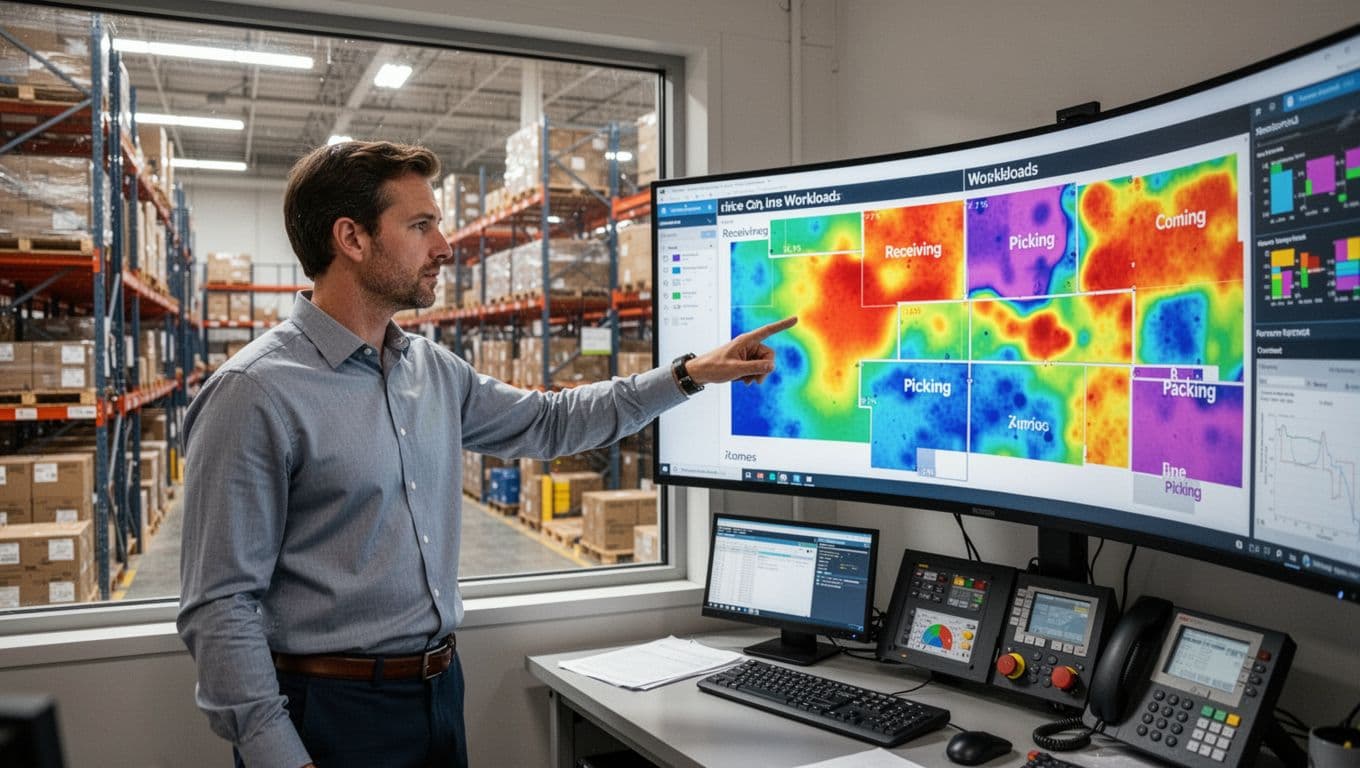
Instead of waiting for missed picks or a backed-up pack line, supervisors can reassign workers from cycle counting, reserve putaway, or less urgent work. That keeps the floor balanced while demand is still manageable. In busy operations, this is often the difference between steady flow and late orders.
A live view also helps managers make smarter tradeoffs, such as:
- Pulling staff from receiving to picking when order waves spike
- Moving packers to cycle counting later when outbound pressure drops
- Adding help to replenishment before hot pick faces run dry
If labor seems stretched every day, the issue may be flow, not headcount. A good system helps with warehouse bottleneck analysis and fixes, so managers can shift people with purpose, not panic.
Slotting and space decisions improve with better usage data
Bad slotting wastes time one step at a time. Pickers walk farther, aisles clog up, and high-demand items sit in hard-to-reach locations. Real-time movement data makes those problems easier to see.
When managers know which SKUs move fastest, which bins trigger the most replenishment, and which zones create congestion, they can place products in better homes. Fast movers can move closer to packing or shipping lanes, while slower items can shift to reserve space. As a result, travel time drops and picks become more predictable.
This kind of visibility also improves replenishment choices. If a forward pick slot empties every afternoon, that is not random. It is a signal to resize the slot, move the item, or change the refill trigger.
Multi-warehouse operations get a clearer view of stock availability
Once you run more than one warehouse, local decisions affect the whole network. Real-time visibility across sites gives managers a better way to decide where to fulfill from, when to transfer stock, and when to buy more.
For growing 3PL, B2B, and D2C operations, that shared view cuts costly mistakes. One site may be short, while another holds extra inventory that could cover demand today. Without current data, teams overbuy, split orders, or ship from the wrong location. With a connected system, they can make faster transfer and fulfillment decisions based on what is truly available.
That is why real-time stock control across warehouses matters so much. It supports cleaner purchasing, fewer emergency transfers, and better promise dates. For managers overseeing several facilities, multi-warehouse management with WMS turns separate buildings into one coordinated operation.
Better data leads to fewer costly mistakes and faster customer response
Real-time decision making depends on one thing first, trustworthy data. If counts are off or order history is hard to find, even a fast team makes slow or expensive calls. Good warehouse software fixes that by turning daily activity into clean, current records that people can act on with confidence.
That has a direct business payoff. Fewer errors mean less rework, fewer rushed fixes, and fewer awkward customer calls. At the same time, better traceability helps your team answer problems quickly, before they grow into returns, credits, or lost trust.
Fewer manual errors means fewer bad calls
Manual processes create small cracks, and those cracks spread fast. A wrong count can trigger a bad reorder. A missed scan can make stock look available when it’s already gone. Duplicate entry can leave two teams working from two different versions of the truth.
When that happens, managers make decisions on bad information. They may release orders that can’t ship, move labor to the wrong area, or promise stock that isn’t really there. One simple error can ripple through picking, packing, shipping, and support.
Warehouse software reduces those risks because it captures activity at the point of work. Barcode scans, live updates, and guided tasks cut the need for memory and cleanup later. As a result, your team spends less time fixing mistakes and more time moving orders correctly. If you want a closer look at how systems tighten counts and reduce slip-ups, this guide to inventory management software for warehouse accuracy adds useful detail.
Bad data turns routine decisions into expensive guesses.
Traceability helps teams respond quickly to issues
When a customer reports a problem, speed matters. You need to know what was shipped, when it moved, and whether other orders were affected. That is where lot tracking, serial tracking, and order history earn their keep.
Lot tracking groups products from the same batch. Serial tracking follows one specific unit. Order history shows each step tied to that shipment. With that record in place, teams can trace an issue back without digging through paper or asking three departments for answers.
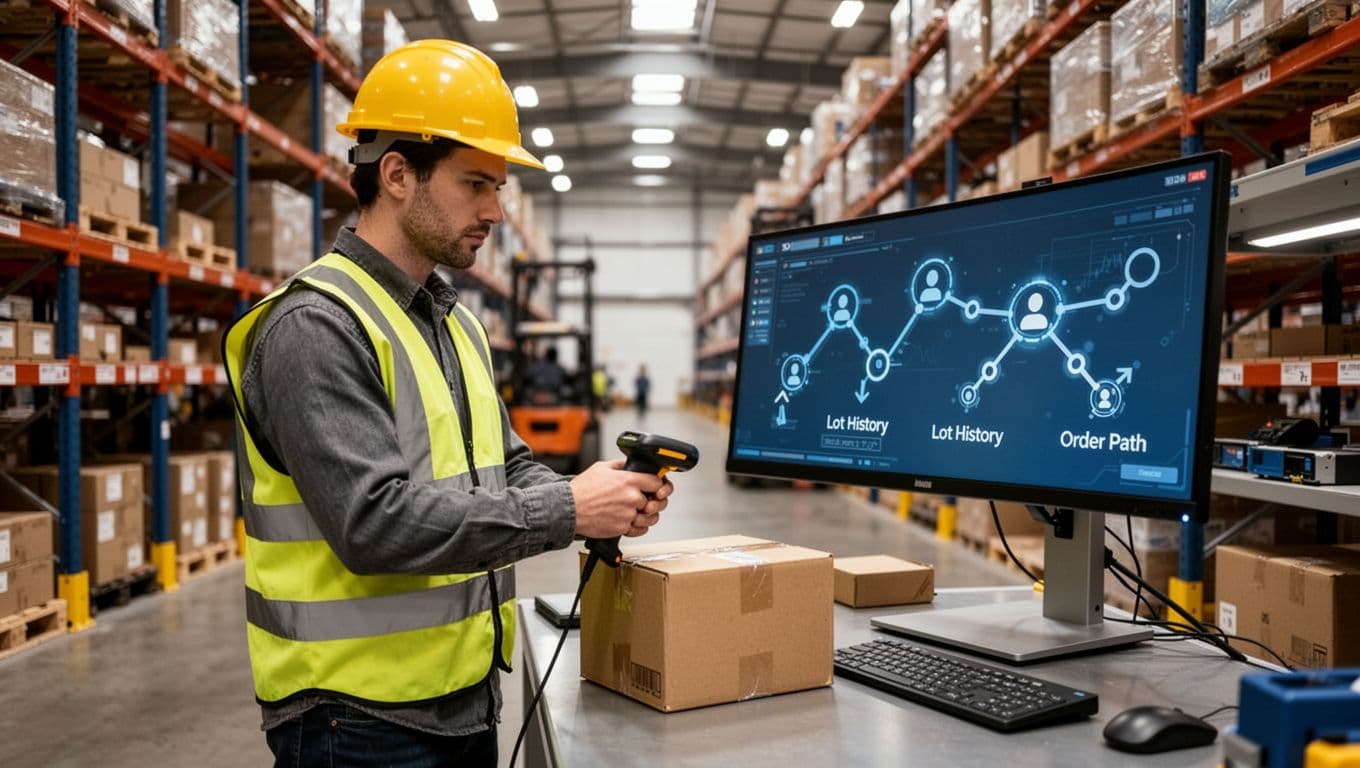
That speed matters during a complaint, return, or product hold. Instead of freezing broad inventory or guessing which orders are affected, the team can isolate the exact batch or unit. So the response gets faster, the scope stays smaller, and customer trust takes less of a hit.
Customer service gets better when answers are based on live facts
Customers do not want vague updates. They want clear answers about stock, shipping, and order status. Sales and support can only give those answers when the warehouse system reflects what is happening right now.
With live warehouse data, teams can confirm whether an item is truly available, whether an order is picked or packed, and whether it will hit the ship cutoff. That makes conversations shorter, clearer, and far more useful. Instead of saying “we’re checking,” they can say what is in stock, what is delayed, and what happens next.
In short, better data improves more than warehouse accuracy. It helps your business respond faster, protect margins, and serve customers with confidence.
What to look for in warehouse software if real-time decisions are the goal
If you want faster decisions, don’t just compare feature lists. Look for software that helps people act fast with clear screens, live data, and connected systems. A smart warehouse platform should shorten the gap between what happens on the floor and what your team does next.
A simple buyer checklist helps cut through the noise. Focus on these core features first:
- Mobile access for work on the floor
- Barcode scanning at every key step
- Live dashboards with current status
- Exception alerts that flag issues early
- Integrations with sales, shipping, and ERP tools
- Reporting that supports immediate action
- Reliable support for setup and daily use
Real-time data only works when the system is easy for staff to use
A system can have perfect data, but it won’t help if staff avoid using it. On a busy floor, workers need fast taps, clear prompts, and screens that make sense at a glance. If a picker has to stop and think through five fields, you’ve already lost time.
Mobile-friendly workflows matter because work happens in motion. Receiving, putaway, picking, and cycle counts all move faster when staff can scan, confirm, and continue from a handheld device. Simple screens reduce training time too, so new hires get productive faster and experienced staff make fewer mistakes.
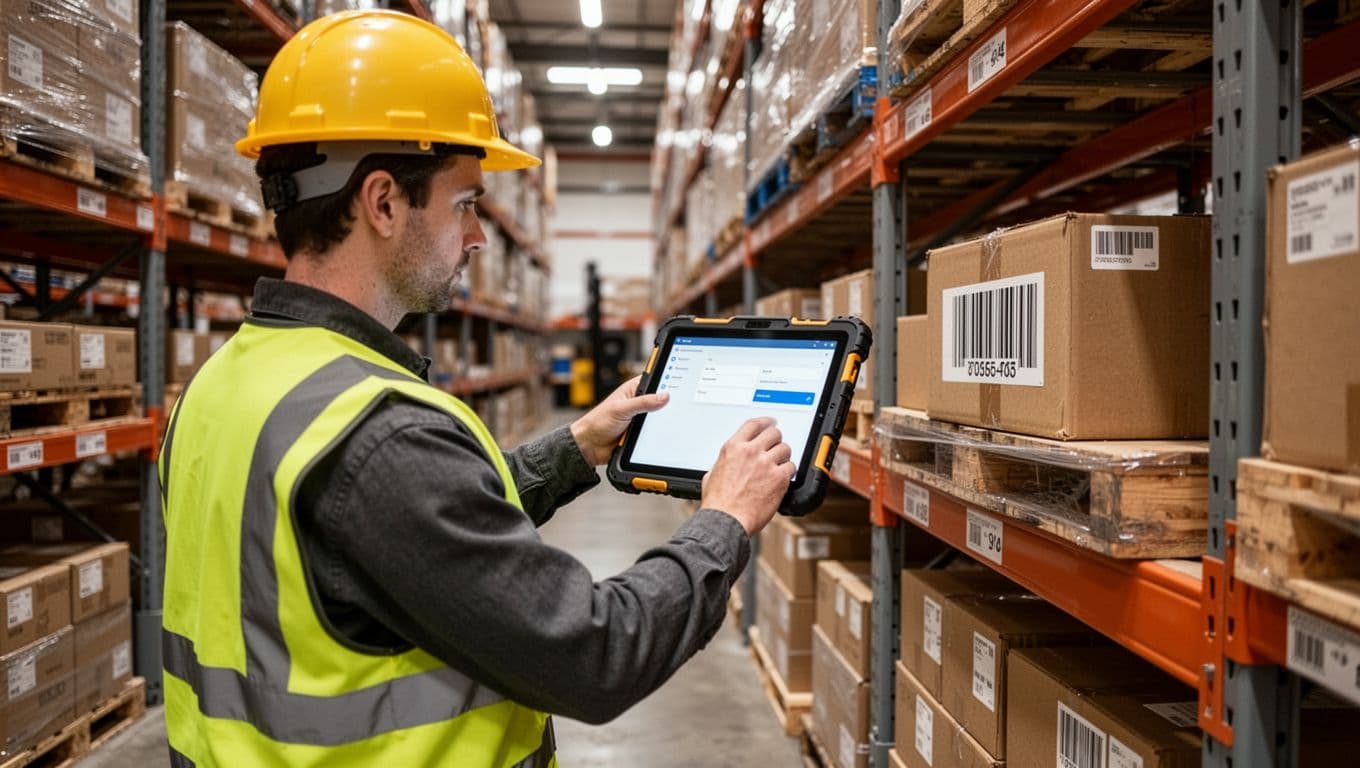
That ease of use becomes a real buying factor. If you want a broader view of mobile automation for smarter warehouses, why 3PLs choose Leanafy WMS shows how those tools support day-to-day execution.
Strong integrations keep warehouse decisions connected to the business
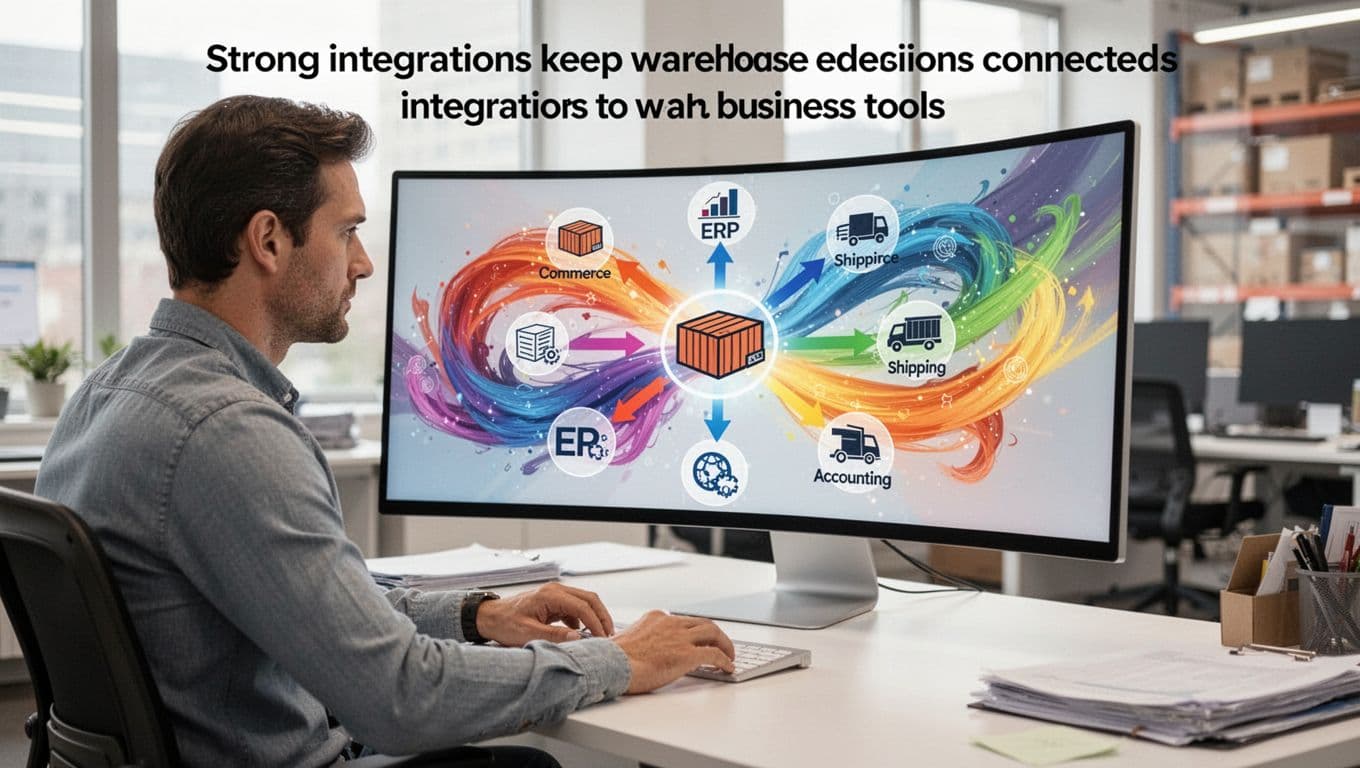
Warehouse choices improve when data flows in from the rest of the business. Orders from ecommerce, shipment status from carriers, and stock or cost data from ERP and accounting tools all shape what the warehouse should do next. Without those links, teams work with blind spots.
For example, a rush order from a sales channel should change picking priority right away. A shipping delay should affect dock planning. An ERP update should help purchasing see what is truly available. When systems stay connected, the warehouse stops acting like an island and starts responding to real demand.
Reporting and alerts should help teams act, not just observe
Reports are useful, but action matters more. Real-time warehouse software should highlight what needs attention now, such as low stock, late waves, stalled picks, or orders close to carrier cutoff. Otherwise, dashboards become wallpaper.
The best tools combine live KPIs with exception alerts. That means supervisors can spot a problem and respond before it spreads. A good alert doesn’t just say something is wrong, it points to the task, zone, or order that needs attention.
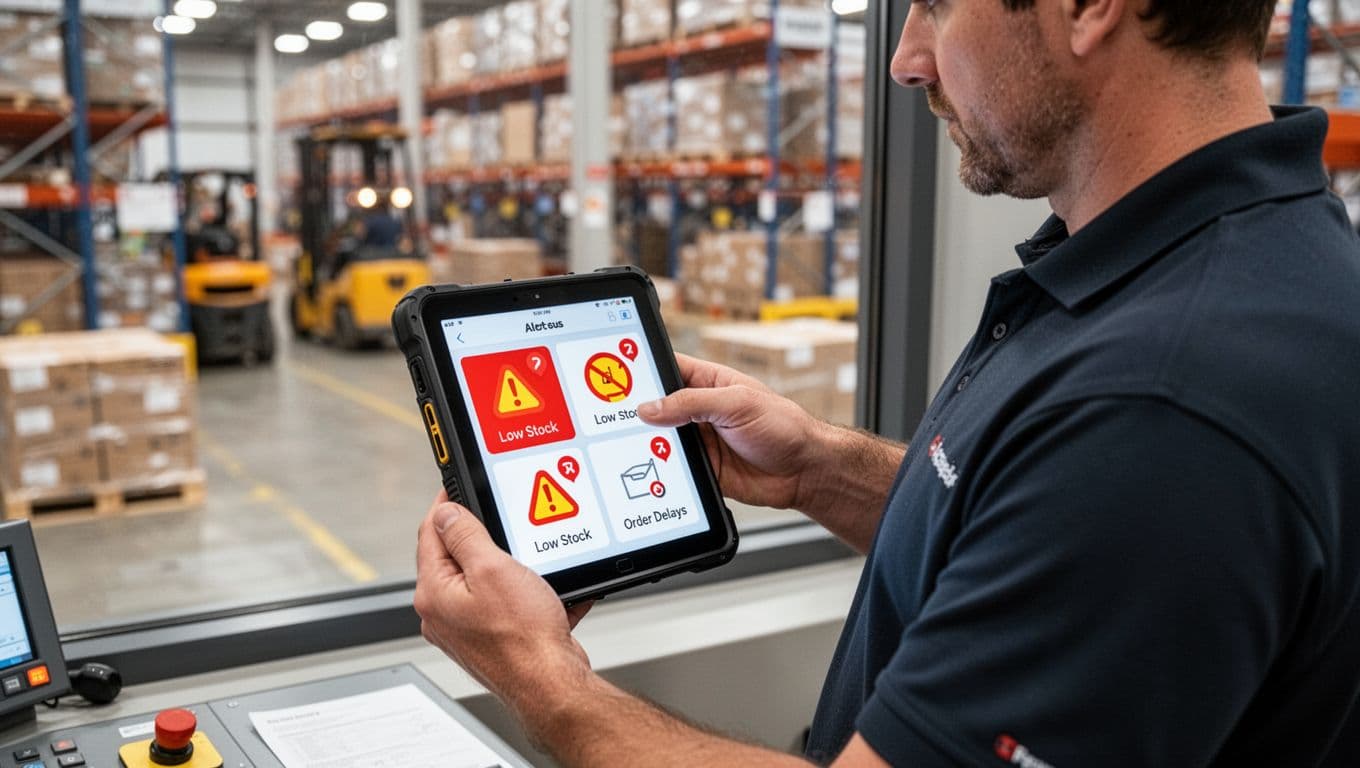
The right warehouse software doesn’t just show live data, it helps your team make the next right move.
Conclusion
Warehouse software improves real-time decision making because it gives teams live visibility, better accuracy, and faster response at every stage of the workflow. When inventory updates as work happens, managers can spot issues sooner, shift labor where it matters, and keep orders moving without relying on stale reports or guesswork.
Just as important, timing gets better across the warehouse. Receiving, picking, replenishment, and shipping all work from the same current data, so small problems are easier to catch before they turn into delays, stock errors, or missed service goals. That kind of control helps teams act with confidence, not caution.
If growth is the goal, this matters even more. Businesses that want to scale without adding chaos need systems that help people make the right call at the right time. If you’re weighing options, it helps to compare best warehouse management software options and focus on tools that support clear visibility, fast action, and dependable decisions every day.