

Retail chargebacks and compliance mistakes can quietly eat up 1% to 5% of invoice value, and that’s before you count rejected shipments, delayed payments, and strained retailer relationships. If you run a 3PL warehouse, lead warehouse ops, or manage supply chain execution for retail accounts, you know how fast one bad ASN, missed routing rule, or labeling error can turn into a deduction.
That’s where EDI matters. EDI, short for electronic data interchange, is the standard way retailers and warehouse teams exchange key business documents like purchase orders, ASNs, invoices, and shipment updates. When those documents rely on manual entry, bad data slips through, and the cost shows up later as compliance fines, short pays, and service failures. For many teams, the bigger issue isn’t one error, it’s a process gap between systems, people, and customer-specific rules, which is why the right WMS integration types matter so much.
Leanafy EDI Integration, working with Lean WMS, helps catch and reduce those errors before they become chargebacks. Next, you’ll see how tighter data flow, rule-based validation, and warehouse execution controls help 3PLs protect margin and keep retail partners happy.
Where retail compliance errors start inside a 3PL warehouse
Most retail compliance chargebacks don’t begin in the retailer portal. They start on the warehouse floor, where data, labels, and timing have to match the shipment exactly. If one step breaks, the retailer sees a bad shipment, even when your team thought the order was ready to go.
Late or incorrect ASNs create problems before the truck even arrives
The EDI 856 ASN tells the retailer what is coming, how it is packed, and when to expect it. When that file is late, incomplete, or out of sync with the cartons on the dock, the retailer plans against bad data. That often leads to receiving delays, manual checks, and a chargeback.
In many 3PLs, the mismatch starts with daily workarounds. Someone rekeys shipment details by hand, passes carton data through a spreadsheet, or misses a scan during packing. Then the ASN says one thing, while the truck carries another. As ASN chargeback examples show, even a correct shipment can get flagged if the electronic notice is wrong. For teams mapping these handoffs, this EDI for 3PL warehouses guide helps show where errors creep in.
Labeling and carton setup mistakes are small errors with big costs
A UCC-128 label is not just a sticker. It ties each carton to the SSCC code and to the ASN record the retailer will scan at receiving. If the barcode is poor, the SSCC is wrong, or the label is missing, the carton can fall out of the retailer’s workflow.
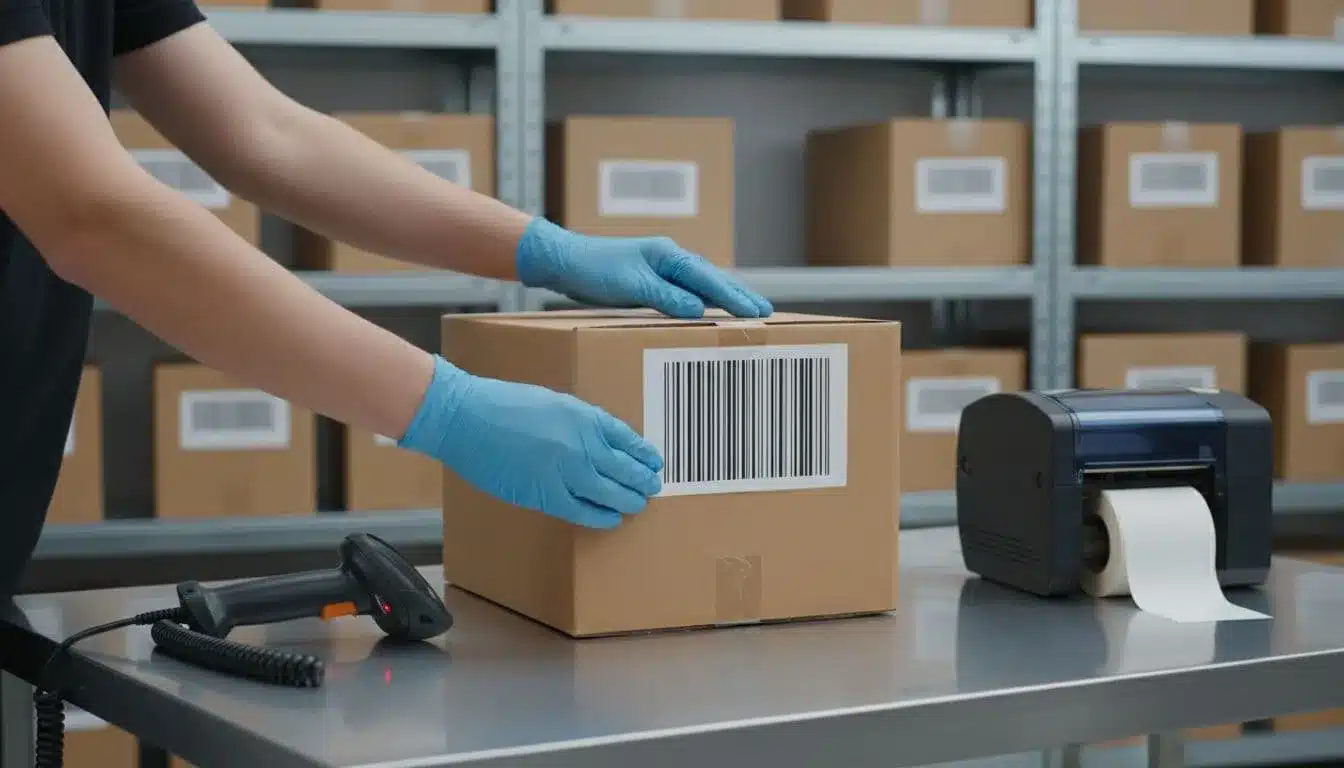
Common examples are simple but expensive: a wrong barcode, mixed cartons that break retailer rules, or carton contents that don’t match the pack configuration sent upstream. One bad label can slow an entire pallet.
Missed ship windows and routing rules turn operational delays into deductions
A warehouse can pick, pack, and label an order correctly, then still get hit with a deduction. Why? Because compliance is also about timing and process. OTIF rules, routing guides, carrier selection, and dock appointments all matter.
If the load misses the ship window, uses the wrong carrier, or skips the retailer’s routing steps, the shipment can fail even with perfect product accuracy. That’s why compliance lives in both your data flow and your floor workflow. When those two stay connected, chargebacks drop.
How Leanafy EDI Integration helps stop chargebacks before they happen
Chargebacks usually start with a broken handoff. Order data sits in one place, packing data lives somewhere else, and someone has to type the same details again. That gap is where wrong SKUs, bad counts, late ASNs, and invoice mismatches slip in.
Leanafy closes that gap by connecting order, inventory, packing, shipping, and billing data in one working flow. As a result, warehouse teams spend less time correcting records and more time shipping what the retailer actually expects. If you want the bigger picture on EDI integration with WMS, the core idea is simple: cleaner execution starts with cleaner data.
Retail orders flow straight into the warehouse without manual re-entry
When a retailer sends a purchase order, Leanafy EDI Integration brings that document into the warehouse workflow electronically. The same goes for shipment notices and invoices. Instead of copying data from emails, portals, or spreadsheets, your team works from the original transaction data from the start.
That matters because every manual touchpoint creates another chance for error. A single typo in a SKU, ship-to address, carton count, or quantity can snowball into a receiving issue and then a deduction. When data moves system to system without re-entry, the order your team sees is much closer to the order the retailer sent.

In practice, that means fewer preventable mistakes such as:
- Wrong item numbers on picks
- Incorrect order quantities at pack-out
- Shipping details that do not match the PO
- Invoice data that doesn’t line up with what shipped
This is one reason ASN errors create so many retail deductions. As ASN chargeback guidance points out, a technically sent document still fails if it doesn’t match the physical shipment.
Lean WMS uses scan-based workflows to match what was picked, packed, and shipped
Once the order is in the warehouse, Lean WMS helps validate execution with barcode scans and real-time status updates. Pickers scan the item. Packers scan the carton. The shipment record builds from actual warehouse activity, not from memory or after-the-fact notes.
Because the WMS becomes the source of truth, the ASN is more likely to match what went on the truck. That cuts one of the biggest causes of retail disputes: the retailer receives one thing, while the EDI file says another. When carton contents, quantities, and IDs are confirmed by scan, rejected receipts become less common and deduction claims are easier to avoid.
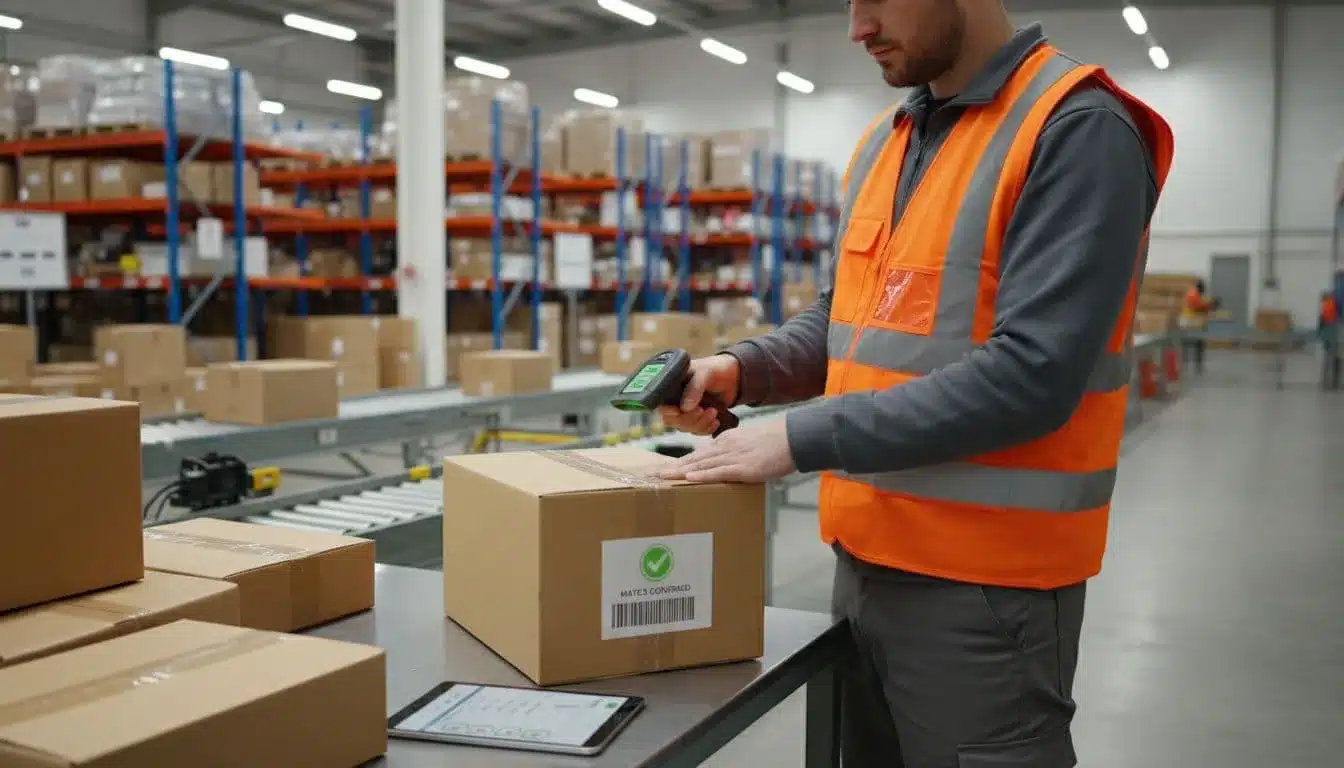
This also helps when customers question shortages or overages later. The warehouse has a tighter record of what was picked, packed, and shipped, tied to real events on the floor.
When scan data drives the shipment record, it’s much harder for bad assumptions to turn into expensive deductions.
Automated labeling and shipment data make retailer compliance easier to follow
Retail compliance often breaks when staff have to remember account-specific rules on the fly. One customer wants a carton label in a certain format. Another requires specific carton IDs or shipment details in the ASN. Paper notes and tribal knowledge don’t hold up under pressure.
Leanafy reduces that risk by tying EDI requirements to the warehouse workflow. Labeling, carton identification, and shipment records can follow the rules built into the process, so staff are not guessing at the dock. The system guides the work, and that lowers the odds of mislabeled cartons or bad shipment data.
This is also where the cost of weak setup shows up fast. The risks around retailer rules, mapping, and monitoring are covered well in this piece on WMS integration hidden costs.
Real-time visibility helps teams catch exceptions before retailers do
Even good processes need visibility. Failed EDI acknowledgments, shipment data mismatches, or missing scan events should not sit unnoticed until a retailer sends a short pay. With real-time tracking and alerts, your team can spot those issues while there is still time to fix them.
For example, if an ASN fails, if a carton count does not match the pack record, or if a shipment is missing a key scan event, ops teams can stop the load, correct the record, and resend the data. That is far better than explaining the problem after the retailer has already rejected the receipt or issued a deduction.
Early visibility also gives 3PLs a cleaner path for account management. You can see what broke, where it broke, and who needs to act. That turns chargeback prevention into a daily control, not a weekly cleanup job.
Why this matters even more for fast-growing 3PL warehouses
For a fast-growing 3PL, compliance risk rises with every new client, retailer, and order spike. What works for one account often breaks for the next. As volume grows, manual handoffs, tribal knowledge, and spreadsheet tracking stop being small issues and start hurting service.
That pressure is even higher when one warehouse supports several brands at once. Retailers can charge 1% to 5% of invoice value for noncompliance, and some violations go far beyond that, according to recent retail chargeback examples. So the real problem is not just one bad shipment. It is whether your operation can repeat the right process, every time, across every account.
Every customer and retailer has different rules, and spreadsheets do not scale
A growing 3PL rarely has one rulebook. It has many. One client ships floor-loaded cartons. Another needs pallet labels and strict carton contents. One retailer wants an ASN by a tight deadline, while another has routing steps that must happen in a set order.

At low volume, teams can patch this together with notes, memory, and spreadsheets. However, that falls apart fast when new clients come on board and order counts jump. Staff cannot be expected to remember every exception at pick, pack, and ship time, especially across shifts or sites.
That’s where standardized workflows matter. The right process puts client and retailer rules into the system, not into someone’s head. If your team still relies on side files and workarounds, those are often signs your WMS needs upgrading. Also, chargeback prevention gets stronger when rule checks happen inside daily execution, not after the truck leaves. As this 3PL chargeback guide points out, retailers expect consistent labeling, routing, and documentation on every shipment.
Better compliance protects margins, client trust, and long-term growth
Chargebacks hit more than a single order. They cut into margin, create friction with clients, and can drag down retailer scorecards that brands watch closely. If the same errors keep showing up, clients start asking hard questions about whether your warehouse can support their growth.

For a 3PL, that makes compliance a service advantage, not just an ops metric. Fewer ASN mistakes, cleaner labels, and better routing compliance protect profit today. They also help you win and keep retail accounts tomorrow.
When a 3PL reduces compliance errors across many clients, it proves that growth does not have to bring chaos.
That matters in sales conversations, client reviews, and renewals. Brands want a partner that can handle complexity without adding more manual effort. If your workflows stay consistent as order volume rises, your warehouse is easier to trust, easier to scale, and easier to recommend.
What a strong EDI rollout looks like in a 3PL environment
A strong EDI rollout is not about turning on documents and hoping errors drop. In a 3PL, it works when retailer rules, warehouse execution, and item data all line up before go-live. If those pieces are off, the same mistakes still show up, just faster.
Start with retailer requirements, warehouse workflows, and clean master data
The first step is simple: map what each retailer expects against what your warehouse actually does. That includes document sets such as 850s, 856s, 810s, acknowledgments, label formats, carton and pack rules, routing steps, and required data fields across the WMS, EDI layer, and billing flow.

Clean master data matters just as much. If item dimensions are wrong, pack quantities are outdated, GTINs are missing, or customer-specific label logic is unclear, EDI won’t save the shipment. It will just pass bad facts from one system to the next. As EDI Academy’s ASN chargeback guidance points out, the ASN has to match what really shipped at the carton level.
A good rollout also forces workflow clarity. Who confirms pack-out? When is the ASN triggered? Which scan creates the shipment truth? If those handoffs are fuzzy, deductions keep coming.
Test high-risk documents first, then expand by retailer and workflow
Start where chargebacks hit hardest. For most 3PLs, that means purchase orders, ASNs, retailer labels, and invoices. These are the documents most tied to shortages, receiving delays, label fines, and payment disputes, so they should be first in line for testing.

A phased rollout lowers risk because your team can pilot one retailer or one workflow, review exceptions daily, and fix root causes before scaling. That also gives warehouse leads, customer service, and billing staff time to train on real scenarios. Pre-send validation and exception review are a big part of reducing deductions, which is why chargeback prevention guidance puts so much weight on validation before documents go out.
The best sequence is usually:
- Pilot the highest-risk retailer workflow.
- Test document accuracy against real picks, packs, and labels.
- Train users on exceptions and resend procedures.
- Expand to the next retailer only after error rates settle down.
Use support and process guidance to shorten the learning curve
Most 3PL teams don’t need more theory. They need help mapping workflows, setting rules, training staff, and fixing issues fast during rollout. That’s where practical implementation support matters.
Leanafy’s implementation and support services fit this part of the process well because they focus on setup, process mapping, training, and ongoing help after go-live. That matters when one client needs carton-level ASNs, another has strict labeling rules, and your floor team still has to ship on time.
A strong rollout gets shorter when people know what to test, what to watch, and how to handle exceptions. That’s how EDI starts reducing deductions early, instead of creating a long cleanup project after launch.
How to measure success after moving to Leanafy EDI Integration
Once Leanafy EDI Integration is live, success should show up in numbers you can act on. The goal is simple: fewer deductions, fewer fixes, and faster cash. If your dashboard only shows total chargebacks, you’re missing the story behind the savings.
Track the metrics that show whether chargebacks are really going down
Start with a small set of KPIs tied to retailer compliance and warehouse execution. That gives you a clean before-and-after view.
- Chargebacks by retailer show which trading partners still have the most friction.
- ASN accuracy tells you whether shipment data matches what actually left the dock.
- Label error rate helps catch UCC-128 and carton ID issues before they turn into fines.
- On-time shipment rate shows whether orders are leaving within the retailer’s required window.
- Invoice dispute rate connects shipping accuracy to payment delays.
- Errors per 1,000 orders gives you a stable way to compare performance as volume changes.

Just as important, measure each issue by root cause. Was the problem a bad ASN, a missed scan, a late ship, or an invoice mismatch? That matters because root-cause tracking points your team to the process that needs work, not just the retailer that sent the deduction. If you want a broader framework for warehouse KPI management, keep the scorecard tight and review it every week.
Look for gains in speed, accuracy, and retailer relationships
Strong EDI performance also shows up outside the chargeback report. Orders move faster because staff stop retyping data. Manual corrections drop because the WMS and EDI records stay aligned. Retailers receive cleaner ASNs, labels, and invoices, so receipts post with less friction.
That usually leads to quicker payment cycles and fewer short-pay investigations. In turn, clients notice the difference. Better scorecards, fewer retailer complaints, and more confidence in your warehouse are real signs that the move paid off. For a useful benchmark list, this 3PL ops dashboard guide lines up well with what most warehouses should monitor after go-live.
Conclusion
For 3PL warehouses, most chargebacks don’t start with the retailer. They start with preventable breaks in data, labeling, timing, and warehouse execution. When Leanafy EDI Integration is tied to the work happening on the floor, those mistakes are easier to catch early, so teams ship with more accuracy and far less rework.
That is the real payoff: fewer manual steps, cleaner ASNs, better label compliance, and faster visibility when something goes off track. As retailers keep tightening OTIF, routing, and documentation rules in 2026, the warehouses that connect EDI to real pick, pack, and ship activity are in a much stronger position to protect margin and keep client accounts healthy.
If your team is ready to reduce deductions without adding more spreadsheets or manual checks, a solid rollout matters just as much as the software itself. That’s why many operators look at WMS implementation services as part of the plan, because better retail performance starts with better execution.