

In 2026, more brands are shipping direct because it’s how they protect margin and own the customer relationship. At the same time, buyers expect fast delivery, perfect orders, and real-time tracking updates that actually match what’s happening.
That sounds simple until you’re the one shipping it. D2C adds pressure because the warehouse moves from a few large orders to thousands of small ones, often across more SKUs, more sales channels, and more “special requests” like bundles, inserts, and subscriptions. Returns also hit harder in D2C, since a single bad experience can turn into a refund, a support ticket, and a lost repeat customer.
This is why teams are upgrading WMS Solutions right now. Older systems struggle when inventory has to stay accurate across Shopify, marketplaces, and wholesale, while still supporting faster pick-pack-ship and smoother reverse logistics. If you’re feeling that squeeze, it’s not a process problem alone, it’s a systems gap.
In this post, you’ll learn which D2C shifts are driving the change, the WMS capabilities that matter most (visibility, integrations, multi-location control, returns workflows, and labor efficiency), how to choose a system that fits your operation, and what’s next as fulfillment keeps getting more demanding. If you want extra context on the day-to-day mechanics, start with https://leanafy.com/order-fulfillment-guide/.
Why D2C operations expose every weak spot in a warehouse
Wholesale can hide problems. You ship pallets to a few customers, on planned schedules, with time to fix issues before they hit the dock. D2C does the opposite. It turns the warehouse into a high-speed assembly line for thousands of small promises, each tied to a real person waiting at home.
That shift is why D2C quickly reveals where your processes, layout, labor plan, and WMS Solutions fall short.
More orders, smaller orders, and way less room for mistakes
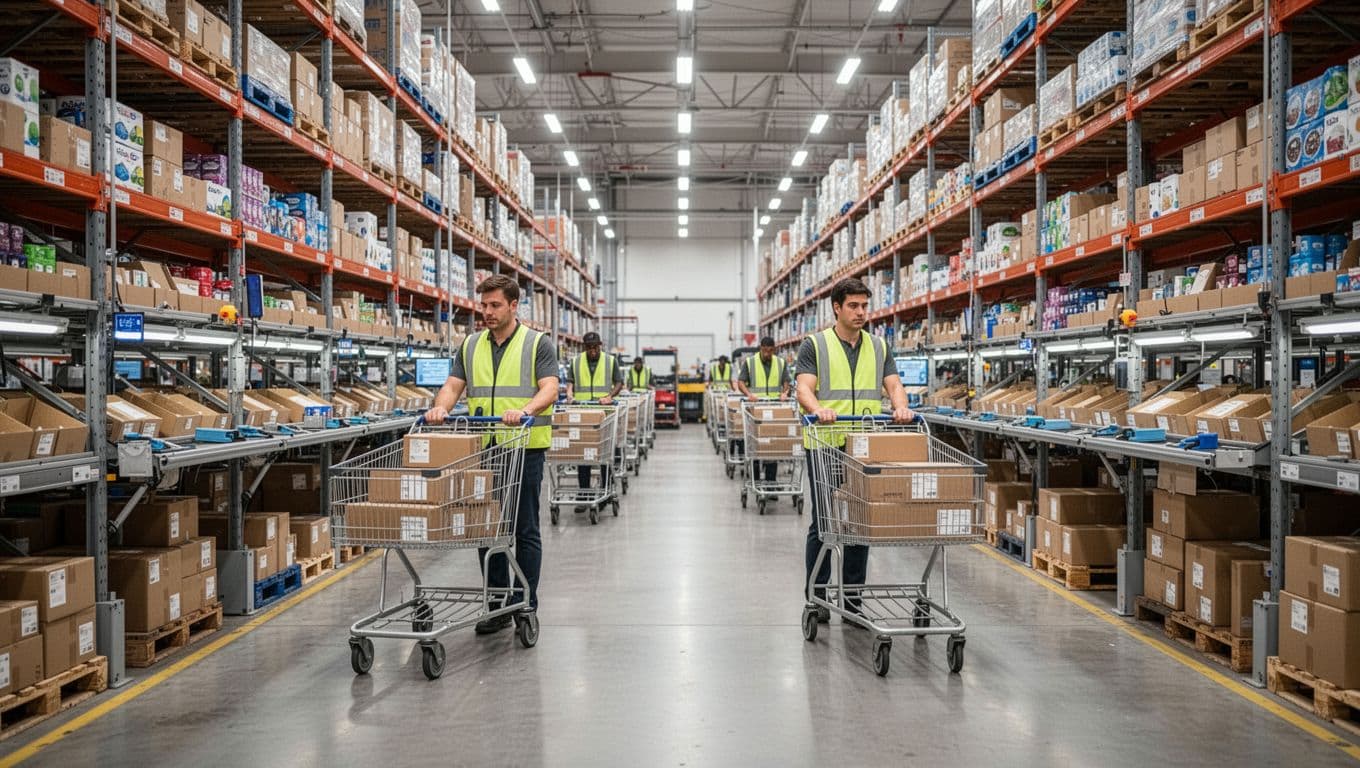
D2C replaces a handful of big wholesale shipments with a nonstop stream of carts, totes, and individual parcels. The cart size shrinks, but the work explodes. A single day might include thousands of one-line orders (one SKU, one unit) mixed with multi-line carts (bundles, subscriptions, inserts, sample packs). That means more picks per hour, more touches per unit, and more chances to slip.
The cost of an error also jumps. In wholesale, a wrong case might get caught at receiving. In D2C, a wrong item becomes a refund, a reshipment, and a support ticket. Add late shipments and crushed packaging, and you are paying for damage on three fronts: freight, labor, and trust.
This is where real-time inventory and guided picking stop being nice extras. Modern WMS Solutions help by:
- Keeping on-hand counts current as picks happen, not hours later.
- Directing pickers to the right bin and the right lot (when it matters).
- Reducing mis-picks with barcode scans and step-by-step task prompts.
If you are still relying on delayed syncs or manual checks, D2C will find that weak spot fast.
Customer expectations are now part of warehouse performance
In 2026, customers treat fast delivery and accurate tracking as table stakes. They also judge you on promise dates and same-day shipping cutoffs, even when the root cause is inside the building. Miss the cutoff because picks ran late, and your “2-day delivery” promise turns into a complaint.
Small workflow delays stack up quickly:
- Late picks push packing into the evening rush.
- Slow packing creates a line at manifest and label print.
- Missed carrier pickups turn into overnight holds and angry “where is my order?” emails.
The warehouse is now a front-line customer experience function. That is why WMS Solutions need to connect priorities to floor execution, so the team works the right orders first, based on ship-by times and service levels. Good systems also help keep tracking visibility aligned with reality, so customers see updates that match what is happening at the dock, not what someone hoped would happen.
When your warehouse runs behind, customer support becomes your overflow department.
Returns are not a side task anymore
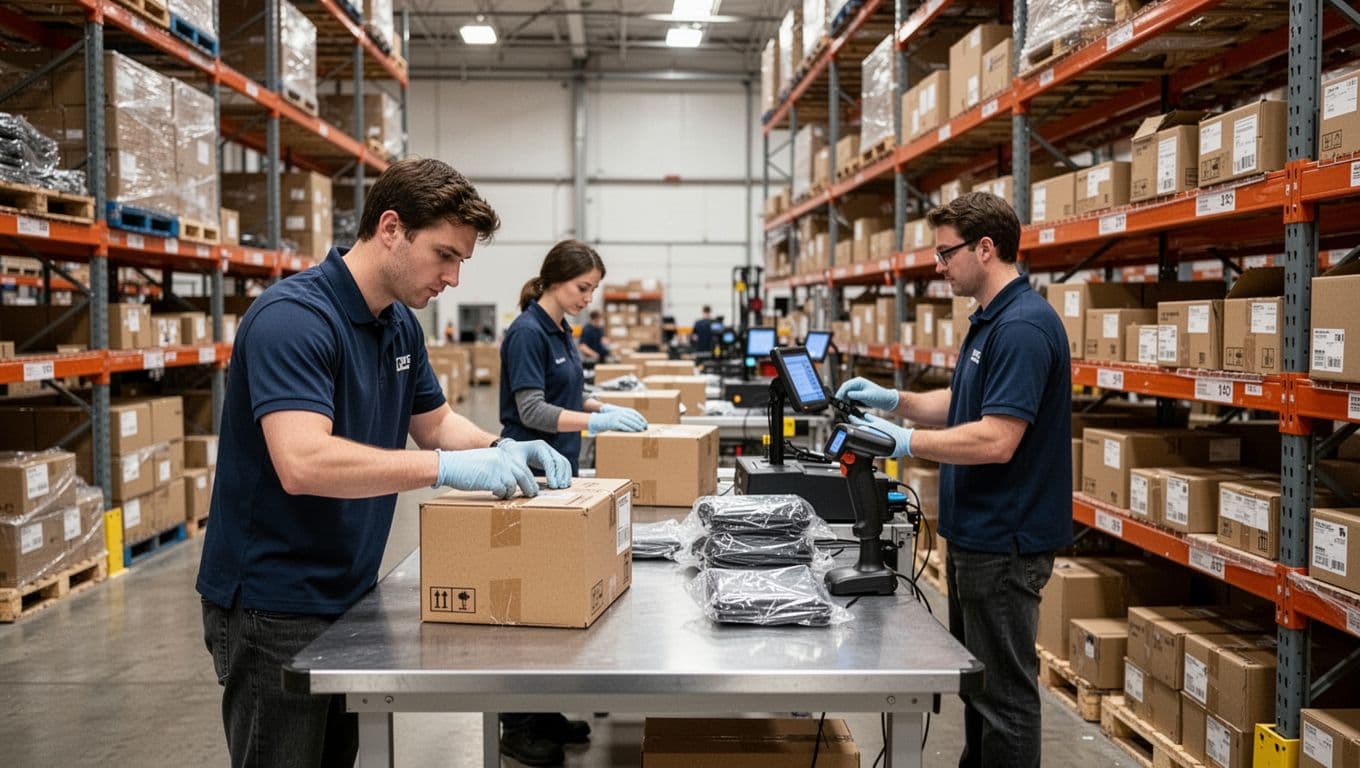
D2C returns show up in waves. A promo, a sizing issue, a holiday spike, or a carrier delay can swing returns volume fast. Unlike wholesale returns, these units often come back as single items in mixed condition, with missing parts, damaged packaging, or unclear reasons.
The real danger is cash flow. Until you receive, inspect, and decide what happens next, the inventory stays in limbo. Meanwhile, you might be out of stock on the shelf while sellable units sit in the returns pile.
Advanced WMS Solutions treat returns like a real workflow, not a spreadsheet project. Look for support like:
- RMA linking that ties the return to the original order and reason code.
- Fast inspection steps with clear outcomes (resell, refurb, quarantine, dispose).
- Putaway rules that route items back to the right forward pick location.
- Audit trails that show who graded it, when, and why the status changed.
Multi-warehouse and distributed inventory make visibility a daily battle
To hit faster delivery windows, brands are moving away from one big warehouse and toward smaller regional hubs closer to customers. It helps shipping speed, but it creates a new daily problem: keeping inventory synchronized across nodes.
When inventory is not aligned, the same issues repeat:
- You oversell because one system thinks stock exists where it doesn’t.
- Orders ship from the wrong node, raising cost and adding transit time.
- Split shipments increase packing labor and annoy customers with multiple boxes.
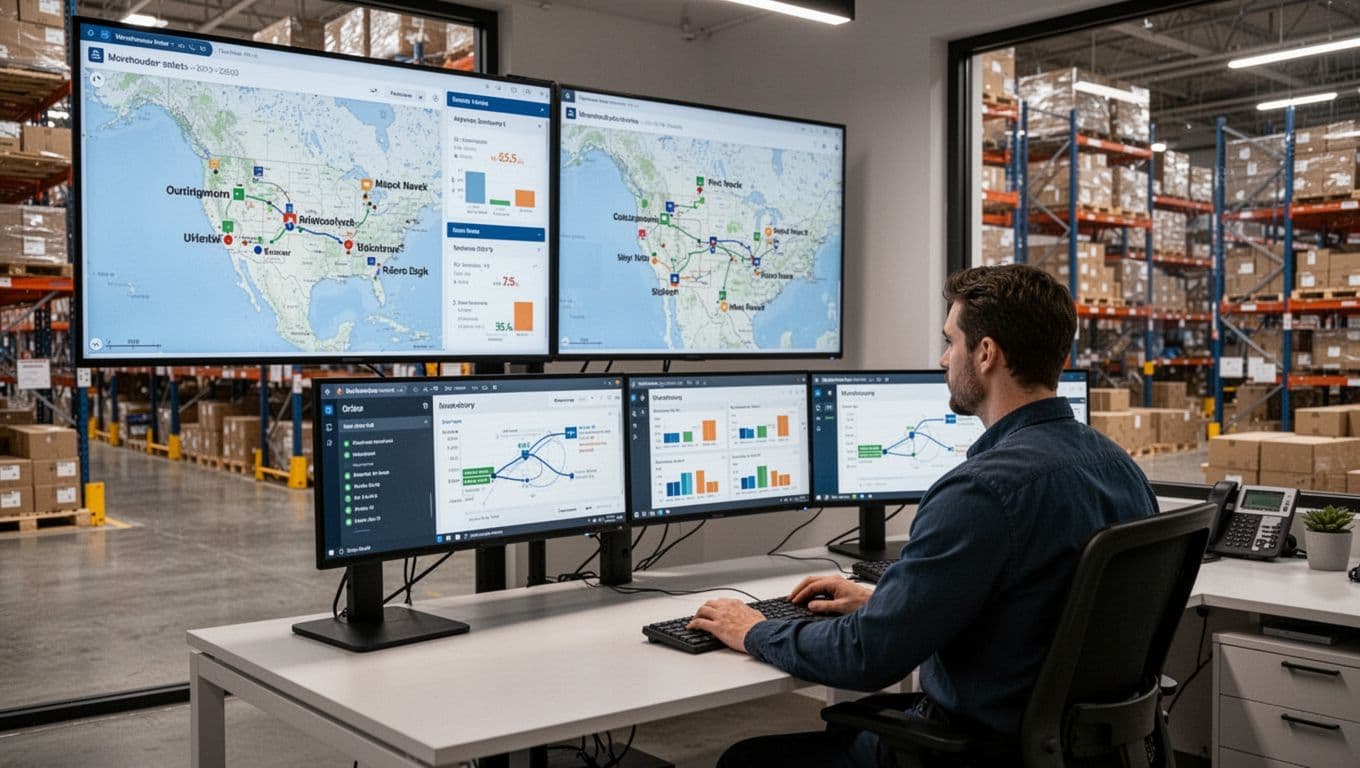
Distributed fulfillment only works when you have one source of truth for inventory across locations, with rules that route orders based on real availability. If you are weighing where WMS ends and inventory tools begin, this breakdown is helpful: differences between warehouse and inventory management systems.
The new bar for WMS Solutions in a D2C world
D2C fulfillment forces your warehouse to act like a promise-making machine. Every order is a small commitment with a deadline, a tracking link, and a customer ready to complain if anything slips.
So what does “better” mean for WMS Solutions in 2026? It means fewer touches, fewer mistakes, faster shipping, and clean data you can trust across every channel. If your system can’t do that, the team fills the gaps with workarounds, and those gaps get expensive fast.
Real-time inventory accuracy across bins, zones, and locations
In D2C, “close enough” inventory doesn’t work. If your counts are off by even a little, you oversell, split shipments, or cancel orders. That turns into refunds, reships, and support tickets.
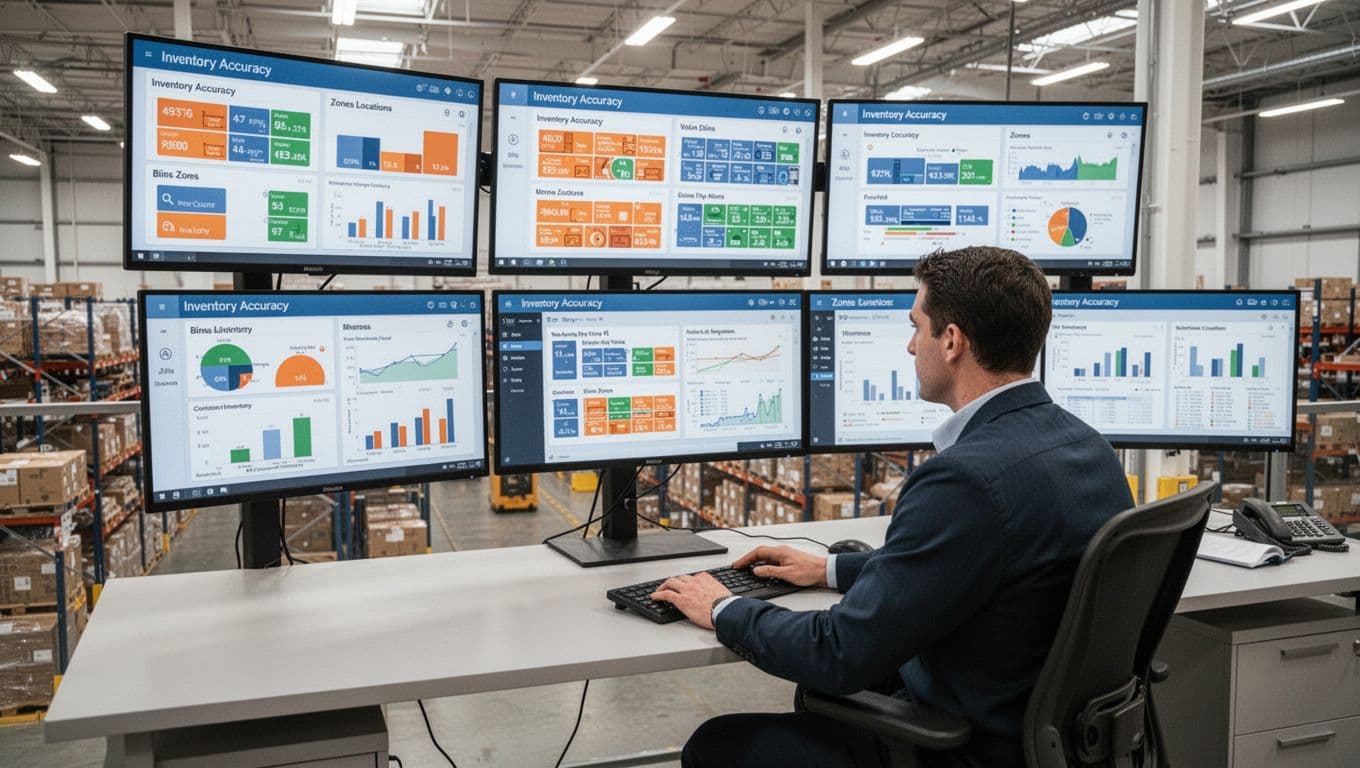
The fix starts with location-level inventory. Instead of “we have 240 units,” the WMS should know where they are (bin, zone, warehouse), and what state they are in (available, reserved, damaged, quarantine, returns). Cycle counts keep that truth fresh without shutting down operations. You count small slices daily or weekly, then the system flags variance patterns so you can fix the root cause.
Scanning matters because it turns moves into facts. With barcode scanning, every pick, putaway, and transfer updates on-hand immediately, not at the end of the shift. When you need traceability (food, cosmetics, supplements, regulated items), the same scan flow should support lot or serial tracking, so you can do FEFO picking, manage expiry risk, and pull clean recall reports.
Accurate ATP (available-to-promise) is the payoff. Spreadsheet inventory can tell you what you think you own. Trusted WMS inventory tells you what you can safely sell right now, and whether it can ship today, tomorrow, or next week. That is the difference between posting an ETA and confidently promising a delivery date.
If you can’t trust your inventory, you can’t trust your delivery promises.
Smarter picking and packing workflows that match D2C reality
D2C work is messy in a very predictable way. You get lots of small orders, weird combinations, and constant rushes tied to cutoffs. Strong WMS Solutions guide the floor so people stop guessing.
Picking strategy should match your layout and order mix:
- Wave picking groups work into timed releases (for example, everything that must ship by 2 PM). It’s great for hitting carrier pickups.
- Batch picking has a picker grab items for many orders at once, then sort later. It reduces walking for high-volume singles.
- Zone picking keeps pickers in assigned areas, so they stay fast and accurate, then totes move to consolidation.
Packing is where errors and cost show up. A modern WMS should support packing validation (scan item to order, flag mismatches), basic cartonization (choose the right box, avoid shipping air), and shipping label creation inside the same flow. If the packer has to jump between tools, mistakes creep in.
D2C also lives on “extras,” and your WMS should treat them as normal work, not sticky notes:
- Kitting and bundles (build a sellable set, then track components correctly)
- Inserts and samples (auto-add based on SKU, campaign, or channel)
- Gift notes and gift wrap (rule-driven, printed or displayed at pack)
When these steps are system-driven, you reduce training time and stop relying on your most experienced packer to remember every exception.
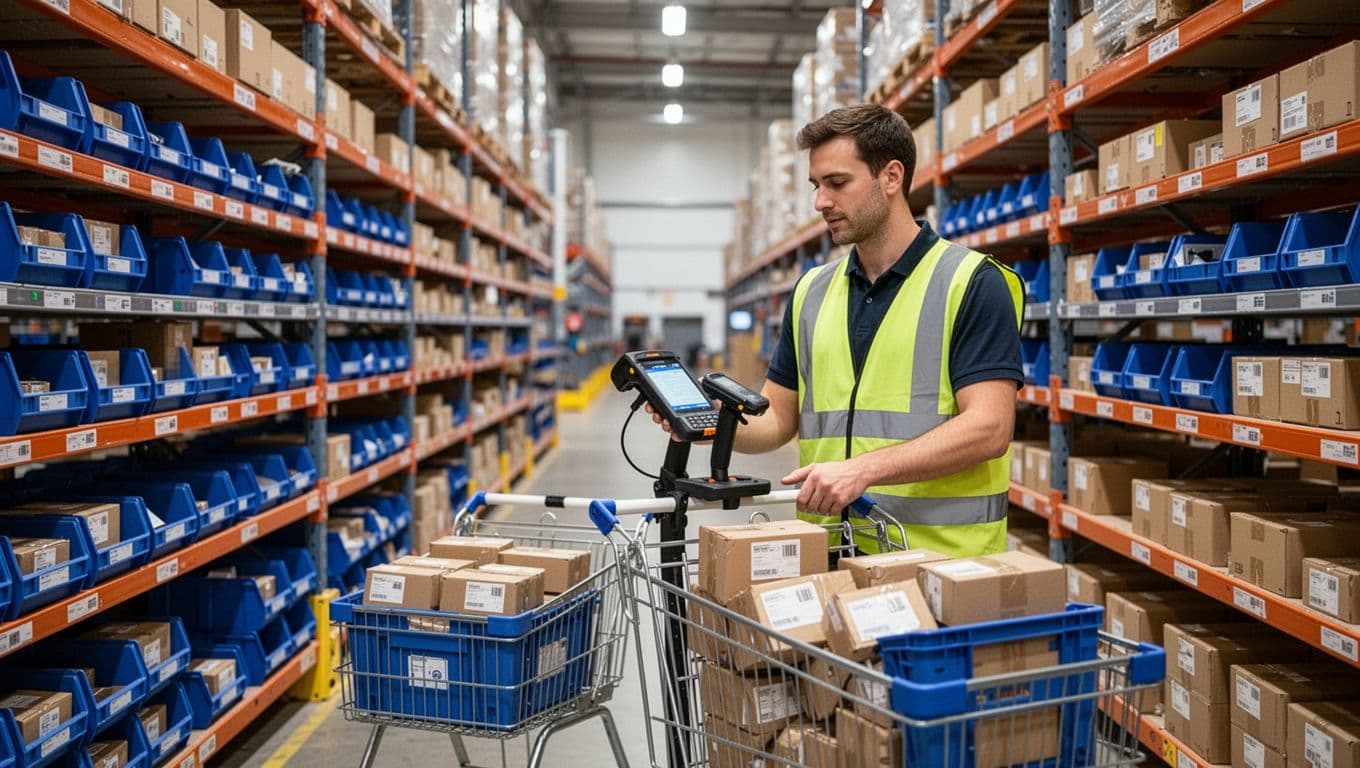
Fast integrations so orders, inventory, and shipping data stay in sync
Most D2C tech stacks grow like a junk drawer. You start with a storefront, then add a marketplace, then a returns tool, then an OMS, then a help desk, plus carriers and maybe an ERP. Each tool solves a real problem, but the handoffs become fragile.
Strong WMS integrations look boring on purpose because they just work:
- Bi-directional sync: orders flow in, confirmations and tracking flow back out, and inventory updates both ways.
- Near real-time updates: not “tomorrow morning,” not “every few hours,” but fast enough to prevent oversells during spikes.
- Clean exception handling: if an address fails, a SKU is missing, or a carrier rate call errors, the system flags it clearly and keeps other orders moving.
- Stable API behavior: the WMS doesn’t require constant babysitting after promos, app updates, or catalog changes.
If you are comparing systems, use a practical test. Create ten messy orders (bundles, backorders, address issues, split shipments), then watch what breaks. Also, it helps to sanity-check the market and feature expectations using a curated list like top 10 WMS systems in 2025.
Automation and labor planning that help you hit cutoffs with the same team
Most warehouses don’t miss cutoffs because people don’t work hard. They miss them because work arrives in the wrong order, walking time explodes, and supervisors spend the day reassigning tasks.
A better WMS reduces labor waste with simple, directed execution:
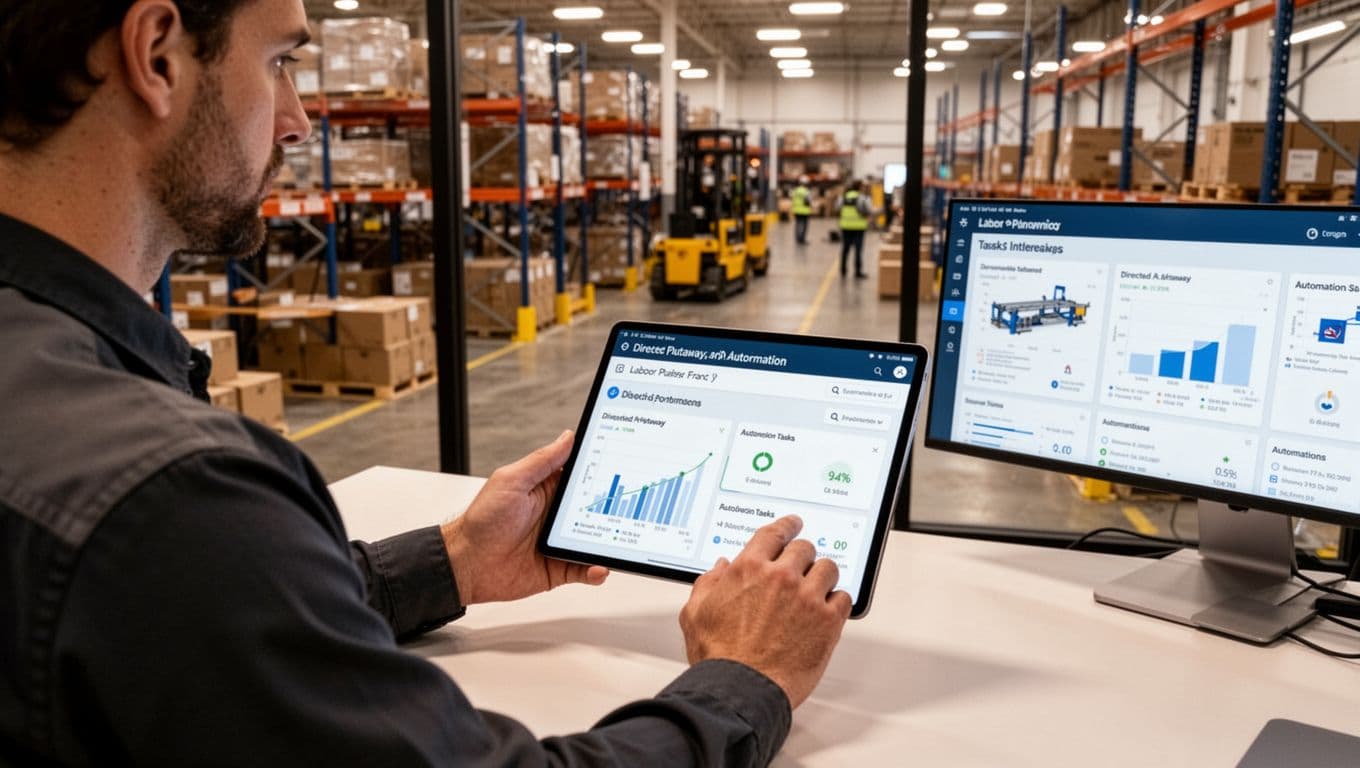
- Directed putaway sends receivers to the best open location (based on rules like velocity, size, and zone), so you don’t create tomorrow’s picking problems.
- Task interleaving assigns the next best task automatically (for example, drop a picked tote, then put away the pallet that’s on the way back). Less dead travel, more output.
- Mobile workflows keep work moving without clipboards, paper pick lists, or “go ask the lead.”
- Performance dashboards show picks per hour, exceptions, and backlog by area, so you fix bottlenecks early.
Labor planning is where the data turns into dollars. With WMS history, you can forecast throughput for promos, schedule the right headcount by function (receiving, pick, pack, returns), and cut overtime because you see trouble while there’s still time to respond. If you also run multiple nodes, this pairs well with rules-based routing and shared inventory, as outlined in this multi-warehouse management guide.
Where D2C brands feel the payoff first when they upgrade their WMS
Upgrading WMS Solutions pays off fast in D2C because the work is repetitive and measurable. When you tighten the pick-pack-ship loop, you see it in accuracy, cycle time, and support volume within weeks. It’s like tuning a bike chain, once the slack is gone, every pedal stroke turns into speed.
Fewer shipping mistakes and fewer “where is my order” tickets

Most D2C shipping errors come from a few boring moments: grabbing the wrong SKU, packing the right item into the wrong order, or printing a label with a bad address. Strong WMS Solutions reduce all three by forcing a quick “proof” at the point of action, usually with scans.
Here’s what changes in practice:
- Scan-to-verify packing catches mismatches before sealing the box, so pick accuracy stays under control (many teams push errors under 1% once scans are enforced).
- Address checks flag invalid formats and risky edits before the label prints, which cuts returns-to-sender and costly re-ships.
- Carrier confirmations (manifest and acceptance events) create cleaner “handed to carrier” timestamps, so tracking matches reality.
Better tracking updates also shrink your “where is my order” ticket pile. When the customer sees consistent status events (label created, picked up, in transit, out for delivery), they don’t email you to translate silence. That protects brand trust, especially during promos when patience runs thin.
The fastest way to reduce support tickets is to stop creating mysteries in the tracking timeline.
Lower cost per order without cutting corners
Cost per order drops when the warehouse stops touching the same product twice. A modern WMS helps you get there with smarter decisions at the slot, the pick, and the pack.
Start with slotting and travel reduction. When fast movers sit closer to pack-out, pickers walk less and pick more. If you want a deeper look at routes and travel time, these pick path optimization strategies explain why small layout changes show up quickly in labor hours.
Next comes picking and packing efficiency:
- Batch picking reduces repeated trips for high-volume items, so order cycle time shrinks.
- Fewer touches happen when replenishment triggers fire early and the right product stays in the forward pick location.
- Better packing decisions lower dunnage and box spend because the system can guide carton choices and avoid shipping air.
Last-mile costs matter too, even when the warehouse runs perfectly. Shipping rules inside WMS Solutions can pick the best service level for the promise you made, then choose the least expensive carrier option that still hits it. Over time, that keeps on-time ship rate high without paying for premium labels on every order.
Better peak readiness for promos, drops, and seasonal spikes
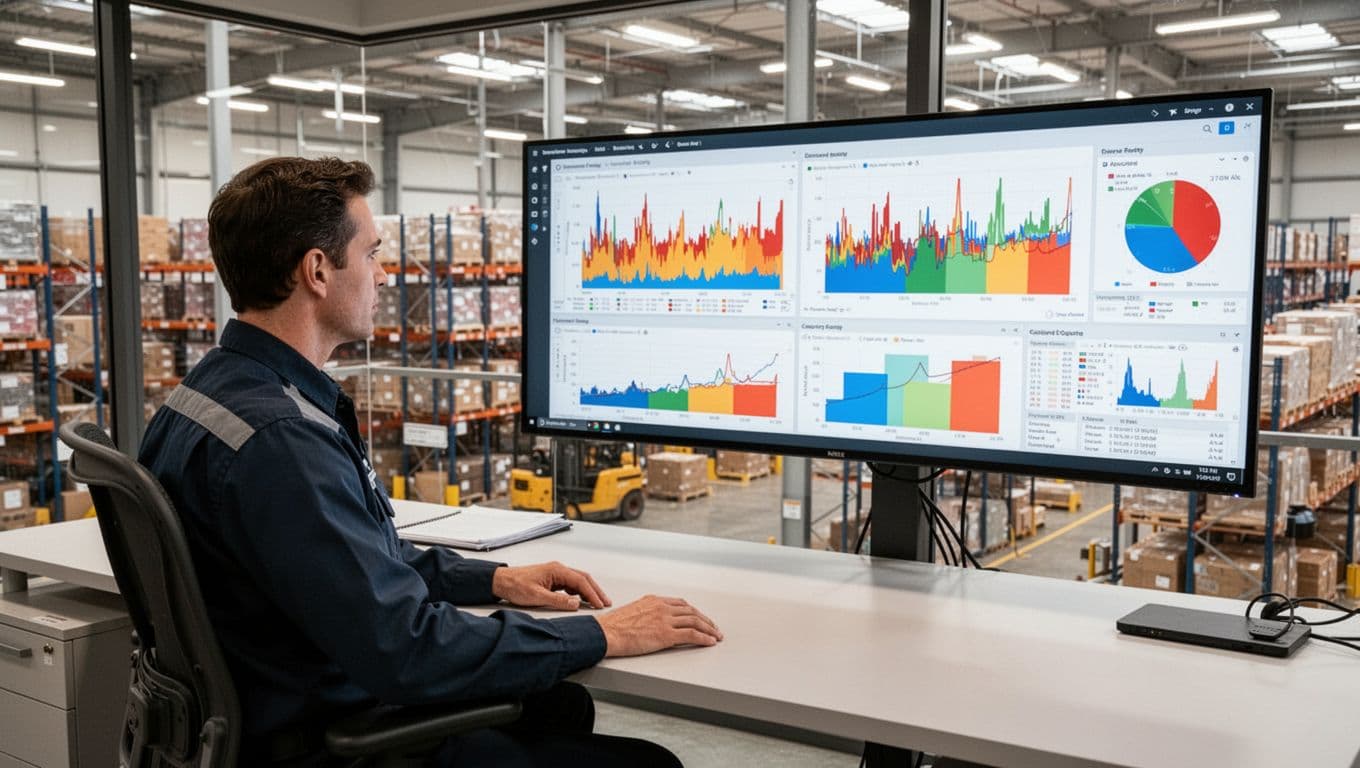
Peak pain usually starts days before the spike, when inventory sits in the wrong place, replenishment lags, and labor gets scheduled on gut feel. Upgraded WMS Solutions replace that guesswork with signals you can act on.
Forecasting and reporting show which SKUs will surge, which zones will choke, and how many orders you can realistically push through each day. Then replenishment triggers move product forward before pick faces go empty. That alone prevents the classic peak spiral: pickers stall, pack lines back up, cutoff times get missed.
If you run multiple nodes, predictive analytics help you place the right inventory in the right location before the rush. Done well, you avoid split shipments and expensive cross-ship moves. The win shows up in simple metrics: higher on-time ship rate, steadier order cycle time, and fewer “we ran out” cancellations, even when order volume doubles overnight.
How to choose WMS Solutions for D2C fulfillment without getting stuck later
Picking a WMS is like choosing the rails your fulfillment train will run on for years. If the system can’t handle your real order mix, you’ll end up building workarounds, then paying to undo them later. A practical selection process keeps you focused on what matters: requirements based on real work, demos that prove scale, integrations that don’t break under pressure, a low-risk pilot, and a rollout plan that actually sticks.

Start with your real workflows, not a feature wish list
Before you compare WMS Solutions, map the flows your team runs every day. Keep it simple, but complete. If you skip this, you’ll buy features you don’t use and miss the ones you need.
Start by documenting these core flows end to end:
- Receiving: PO or ASN match, overages, shortages, and damage capture.
- Putaway: directed putaway rules, location constraints, and labeling needs.
- Replenishment: min-max logic, triggers, and what happens when pick faces go empty.
- Picking: single-line vs multi-line, batch vs wave, scan validation, and short picks.
- Packing: inserts, gift notes, carton selection, and scan-to-verify.
- Shipping: carrier selection rules, label print, manifests, and pickup cutoffs.
- Returns: RMA intake, inspection steps, disposition (resell, refurb, quarantine), and refund triggers.
- Inventory counts: cycle counts, full counts, variance approvals, and audit history.
Next, capture your “messy middle” because that’s where systems fail. Write down exceptions such as backorders, split shipments, bundles/kits, damaged items, and any hazmat, food, or lot/expiry compliance that applies.
To ground this in reality, ask ops a few pointed questions:
- What slows you down most during peak, picking, packing, or replenishment?
- Which order types create the most errors (bundles, subscriptions, multi-line)?
- What do supervisors check manually today, and why?
- When inventory is wrong, what’s the usual root cause?
Ask vendors how they handle multi-channel, multi-node, and returns at scale
Vendor demos often look perfect because they use perfect data. Your job is to make the demo feel like a Tuesday in your warehouse.
Use specific prompts and don’t accept hand-waving:
- Split order across locations: “Show one order that ships from two warehouses, with one tracking number per box.”
- Bundle or kit: “Show a kit SKU that pulls components, and how inventory stays accurate for each part.”
- Return to stock: “Show a return that gets inspected and goes back to available inventory, then becomes sellable again.”
- Cutoffs and waves: “Show how you release work by carrier cutoff, and what happens when a wave runs late.”
- On-time ship reporting: “Show your on-time ship rate, late reasons, and how you filter by channel and warehouse.”
Bring real SKUs and real order patterns. Include your most annoying cases, like substitutions, partial cancels, oversells, and promo spikes. If the system can’t handle your top five edge cases in the demo, it won’t handle them at scale.
A clean demo proves the interface. A messy demo proves the system.
Integration depth matters more than the number of logos on a slide
A WMS vendor can show 100 integration logos and still leave you with brittle syncs. What matters is the quality of data flow and how issues get handled when (not if) something breaks.
Here’s what to verify with every integration that touches orders, inventory, and shipping:
- Data fields: do they support your required fields (bundles, lots, serials, reason codes, gift messages, order tags)?
- Sync timing: is it near real-time, scheduled, or manual, and what’s the typical delay?
- Error queues: where do failed orders and failed updates go, and can your team fix them without engineering?
- Rate limits: what happens during promos when order volume spikes and APIs throttle?
- Ownership: who fixes mapping issues, the vendor, your team, or a third party?
Also ask about implementation support. A strong partner will help with mapping, testing, and go-live planning, not just “turn it on.” If you need hands-on help integrating and rolling out WMS Solutions cleanly, https://leanafy.com/services/ is one place to start.
Prove the system in a pilot, then roll out with clear training
A pilot prevents expensive surprises. Keep it low-risk and measurable so you learn fast without disrupting the whole operation.
A simple pilot scope works well:
- One zone (for example, fast movers only)
- One carrier
- One sales channel
- A limited set of SKUs with a few tricky cases (a kit, a fragile item, a return-heavy SKU)
Define success criteria before day one. Track metrics like pick accuracy, order cycle time, on-time ship rate for that scope, return processing time, and how many exceptions required admin help.

Then plan the rollout around people, not just software:
- Build simple SOPs for each flow, with screenshots and scan steps.
- Enforce scanning discipline early, because “we’ll scan later” becomes a habit.
- Train leads first, then train new hires using the device prompts and SOPs.
- Manage change in daily standups, call out wins, and fix friction quickly.
When it makes sense to look at a WMS built for high-volume fulfillment
Some teams outgrow general-purpose tools fast. If you see the signs early, you can avoid a painful re-platform later.
It may be time to evaluate a WMS built for high-volume fulfillment when you have:
- High daily order volume and frequent promo spikes
- Multiple brands or clients with different rules
- Multiple warehouses or distributed nodes
- Tight SLAs and strict cutoffs
- Lots of returns that need fast inspection and restock decisions
- Complex compliance needs (lots, expiry, hazmat, food handling)
At that point, the decision isn’t about “more features.” It’s about a system that holds up under load, supports real workflows, and gives you the control to grow. For an example of what high-volume focused software looks like, see https://leanafy.com/3pl-software-leanafy/.
Conclusion
D2C fulfillment raises the stakes because every order is a promise, not just a shipment. Higher order counts, more channels, tighter cutoffs, and heavier returns quickly expose gaps in inventory accuracy, picking discipline, and tracking truth. That pressure explains the growing demand for better WMS Solutions, not for flashy features, but for systems that keep inventory reliable in real time, guide pick-pack-ship without guesswork, and keep integrations stable when volume spikes. As more brands spread stock across multiple locations to ship faster, the WMS also becomes the control point for routing and availability, so you can scale without losing margin.
If you want a practical next step, keep it simple and measurable:
- Audit workflows (receiving, putaway, replenishment, pick, pack, ship, returns), then list your top 10 exceptions.
- Measure accuracy and cycle time (pick accuracy, order cycle time, on-time ship rate, return-to-restock time).
- Map integrations (storefront, marketplaces, shipping, returns, ERP), then note sync timing and failure handling.
- Run a pilot in one zone or channel, prove results, then roll out with training and scan enforcement.
Thanks for reading, share what part of your warehouse breaks first when D2C volume jumps.